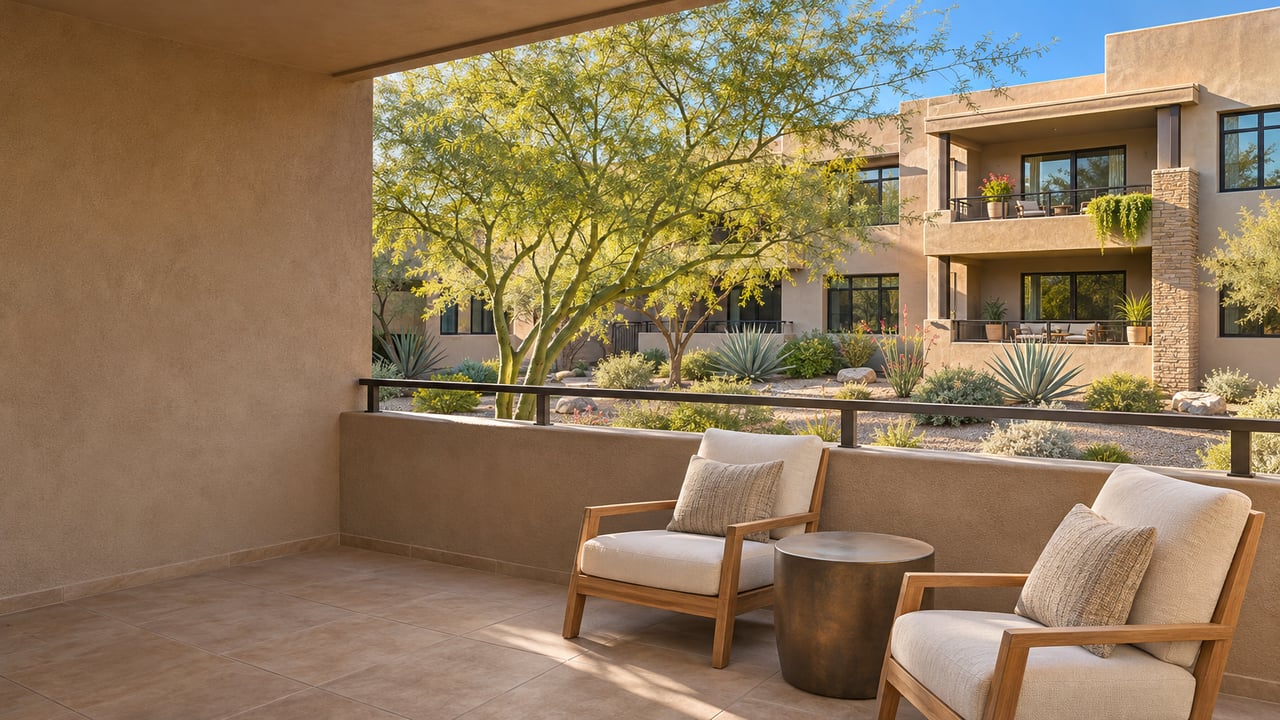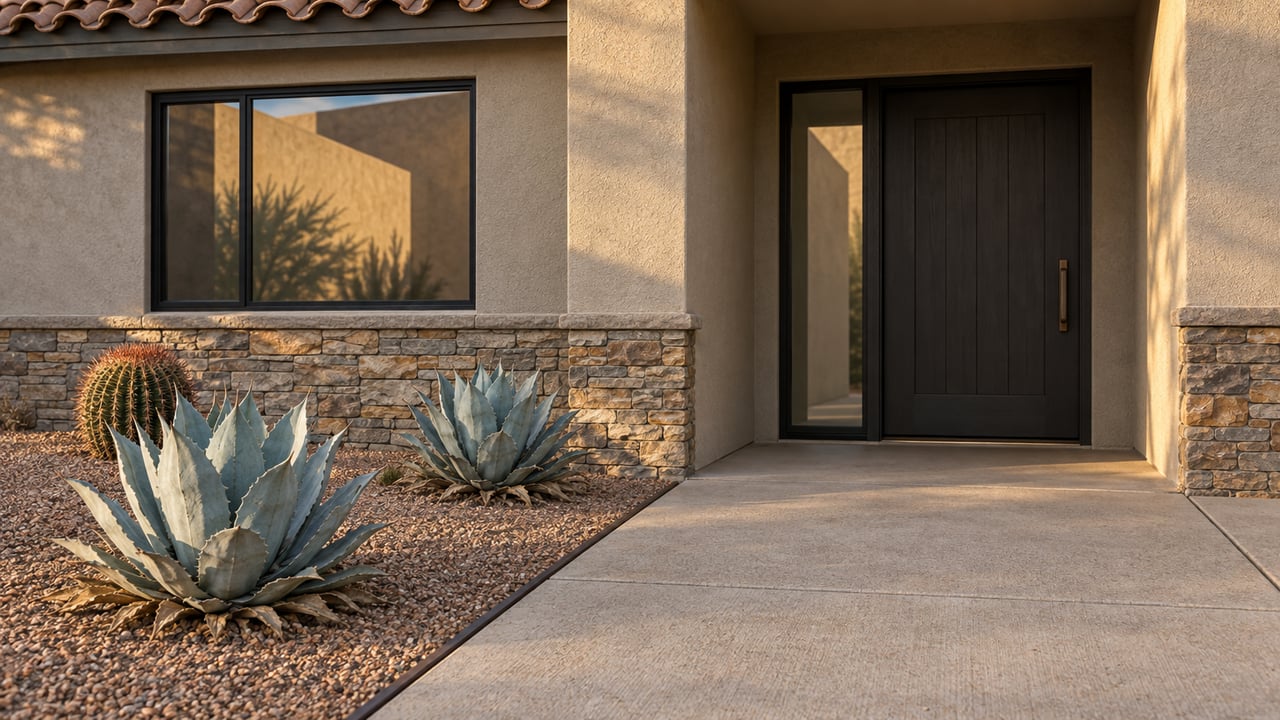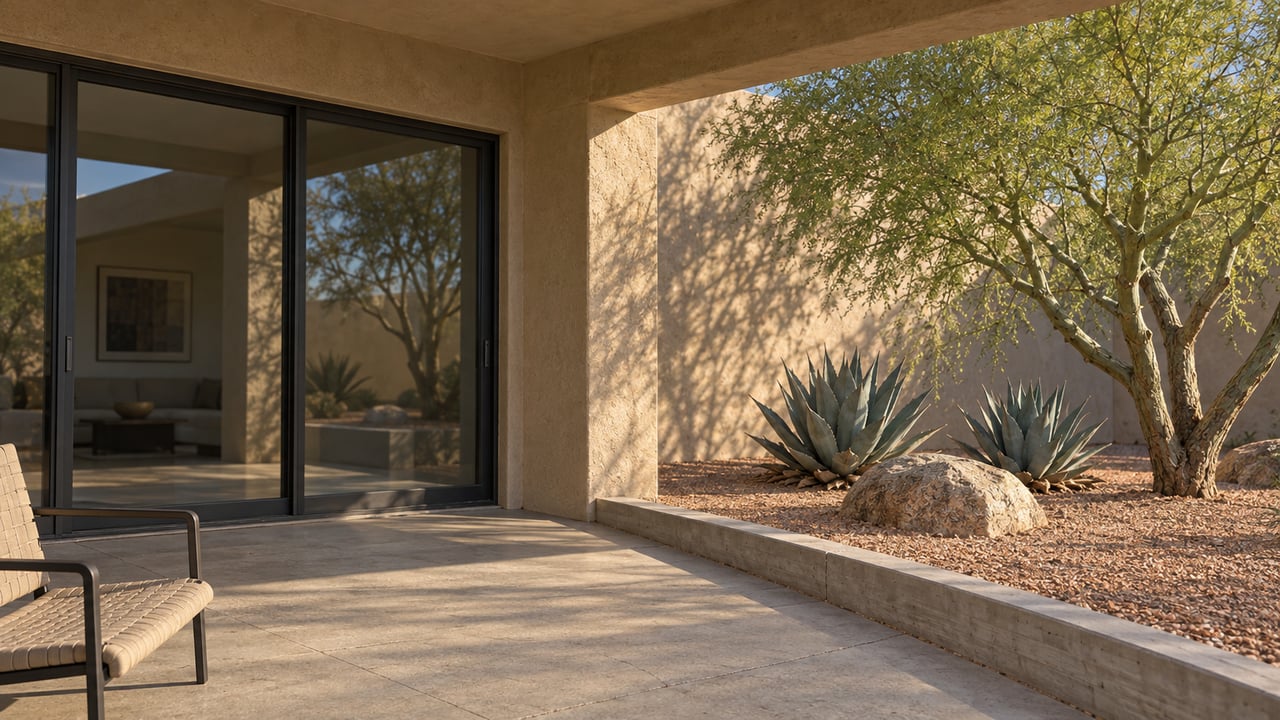
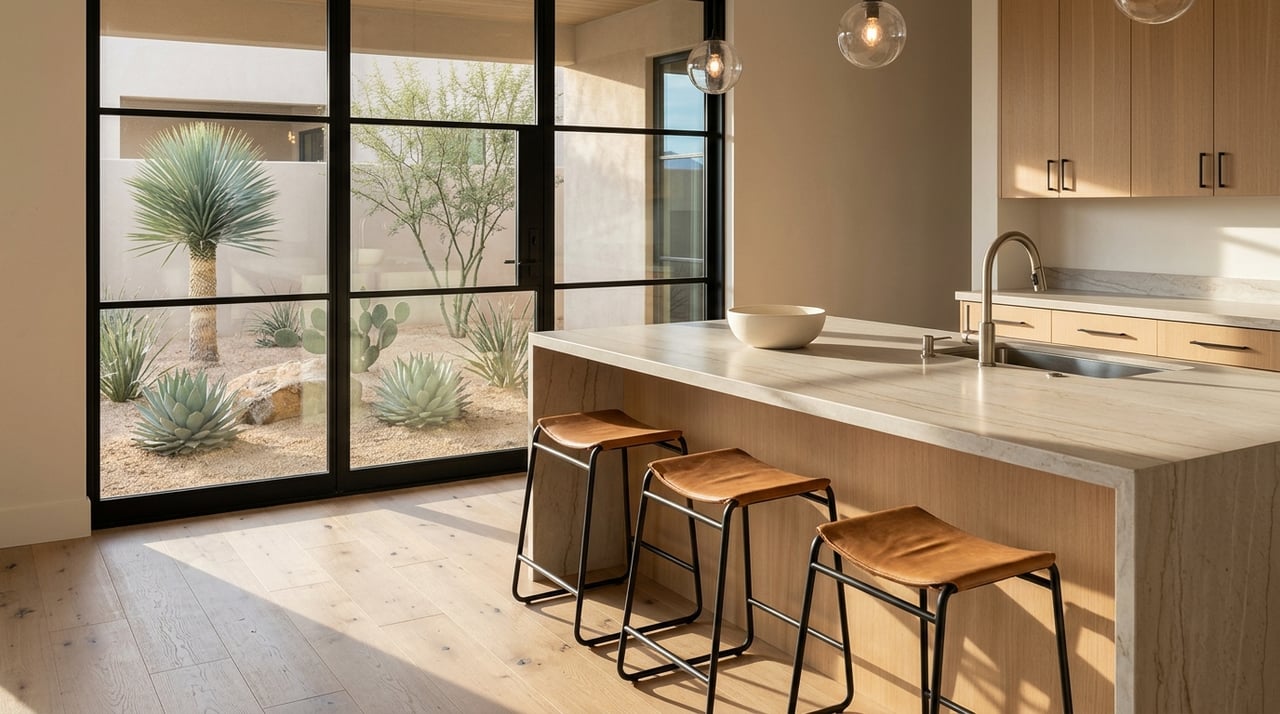
Wondering why one Scottsdale luxury home sells quickly near asking price while another, with similar square footage, lingers on the market? In this segment of the market, valuation is rarely about a simple price-per-square-foot formula. If you are preparing to sell, understanding how luxury home valuations really work can help you price with more confidence, avoid costly missteps, and position your property more effectively. Let’s dive in.
Scottsdale luxury value is hyper-local
A luxury home valuation in Scottsdale starts with one core truth: citywide averages can point you in the wrong direction. In March 2026, Scottsdale REALTORS reported a balanced market with 6.11 months of inventory, a 96.9% sold-to-list ratio, median days on market of 44, and a median sold price of $994,800 across residential property types. In the ARMLS Scottsdale update, single-family homes posted a median sales price of $1,299,999, 5.5 months of supply, and 78 days on market, according to the Scottsdale Residential Market Report for March 2026.
Those numbers are useful for context, but they do not value your home by themselves. In Scottsdale, luxury pricing depends far more on your specific neighborhood, property type, lot setting, and amenity package than on an overall city median.
That matters because luxury is not a fixed number. Realtor.com’s March 2026 luxury report describes entry luxury as the 90th percentile within each market, with the national threshold at about $1.25 million. Since Scottsdale’s single-family median is already near that mark, luxury here is better understood through the lens of micro-market positioning rather than a universal cutoff.
Comparable sales drive the process
The foundation of a serious luxury valuation is the sales comparison approach. According to Fannie Mae’s comparable sales guidance, at least three closed comparable sales should be used, and those sales should share similar physical and legal characteristics with the subject property.
That means the best valuation is built from homes that closely match your property in meaningful ways, including:
- Lot size and site characteristics
- Finished square footage
- Floor plan and room count
- Architectural style
- Condition and finish level
- Legal and property-use characteristics
Fannie Mae also notes that comparable sales from the last 12 months should generally be used, though older sales may still be appropriate when they better reflect value and the reasoning is clearly supported. In other words, the right comp is not always the newest sale.
Square footage is only one variable
One of the biggest pricing mistakes in luxury real estate is treating square footage as the main event. Two Scottsdale homes with similar size can sell for very different prices if one has a better lot, stronger views, higher finish quality, or a more desirable layout.
A proper valuation adjusts for those differences instead of flattening them into a simple average. Fannie Mae specifically says comparable analysis should address differences in condition, upgrades, and concessions, which is why a pricing recommendation should explain more than just the final number.
If you are evaluating your own home, it helps to think less about “What is the average price per square foot?” and more about “What would a buyer compare my home to today?” That is a much more useful question in Scottsdale’s upper-end market.
Views and setting can change pricing
In Scottsdale, buyers often pay for what they can see and what they do not have to see. Mountain views, desert preserve views, city-light views, golf course outlooks, and privacy from neighboring homes can all influence value.
This is not just anecdotal. A peer-reviewed study on scenic views and housing prices found that attractive views can command measurable premiums in residential markets. For Scottsdale sellers, the takeaway is practical: a view should be treated as a real valuation variable, not a decorative bonus.
Still, there is no universal formula for a view premium. The value has to be measured against sold homes with a similar view class, lot orientation, and overall setting. A partial mountain view from one room may not be valued the same way as a broad preserve backdrop visible from major living spaces and outdoor areas.
Renovations do not equal dollar-for-dollar value
Luxury sellers often ask a fair question: if you spent heavily on updates, shouldn’t that full cost show up in the sale price? Usually, no.
According to Fannie Mae’s guidance on the cost and income approach, the cost approach can help support the sales comparison analysis for new, unique, or recently renovated homes, but it should not stand alone as the sole measure of market value. In plain terms, buyers do not reimburse every renovation dollar just because it was spent.
Instead, the market rewards improvements based on buyer reaction and comparable sales evidence. High-quality updates can absolutely strengthen value and marketability, but their effect depends on how they compare with competing homes and recent closed sales.
Inventory shapes the negotiation window
Valuation is not just about the property. It is also about current market conditions and how much leverage buyers and sellers have at a given moment.
In March 2026, Scottsdale’s all-residential market had 3,158 active listings, 1,043 new listings, and 685 sold listings, while single-family inventory included 1,843 homes for sale and 291 pending sales, according to the Scottsdale REALTORS market report. The report classified the market as balanced.
For luxury sellers, that balanced environment matters. A sold-to-list ratio in the 96.7% to 96.9% range suggests buyers are still negotiating, which means a home priced above its comp-supported range may face longer exposure, price reductions, or requests for concessions before it closes.
Your real competition is smaller than you think
When sellers look at inventory, they sometimes focus on all Scottsdale luxury listings at once. That can blur the picture.
In reality, your home competes with a much narrower set of alternatives. Buyers compare homes in the same approximate price band, in similar parts of Scottsdale, with similar lot types, views, finishes, and lifestyle appeal. If your property is especially distinctive, the relevant comp set may be very small.
That is why strategic pricing is more nuanced than simply scanning all active listings above a certain number. The right question is: which current listings and recent sold homes would a serious buyer see as the closest substitutes?
Online estimates have limits
Automated estimates can be a useful starting point, but they should not be mistaken for a full luxury valuation. Zillow’s Zestimate page explains that its estimate uses public records, MLS data, user-submitted information, home facts, location, and market trends, while also stating that a Zestimate is not an appraisal.
Zillow reports a national median error rate of 1.74% for on-market homes and 7.20% for off-market homes, and it notes that unreported remodels or outdated records can reduce reliability. In a luxury market like Scottsdale, even a modest percentage swing can represent a meaningful dollar difference.
The Consumer Financial Protection Bureau also explains that different valuation methods can produce different results because they may use different comparable sales, dates, or purposes. Scottsdale REALTORS likewise notes that model-generated property estimates are not formal appraisals.
What a stronger valuation should show you
A more credible advisory valuation should do more than produce a headline number. It should explain the logic behind the pricing range and anticipate the questions buyers are likely to ask.
A strong pricing analysis should typically include:
- A focused set of relevant closed comparable sales
- Clear reasoning for why those comps were selected
- Adjustments for views, lot position, condition, and finish level
- Consideration of concessions and recent upgrades
- Context on current inventory and negotiation conditions
- A realistic pricing range rather than a generic estimate
This kind of analysis is especially important if you are planning a luxury right-sizing move or selling a home with custom features that do not fit neatly into automated models.
Why this matters before you list
The first pricing decision often shapes the rest of the sale. In a balanced market, overpricing can cost you time and negotiating strength, while underpricing can leave value on the table.
When your valuation is grounded in the right comps, current inventory, and property-specific variables, you are in a much stronger position to launch well, respond to buyer feedback intelligently, and negotiate from a place of evidence rather than guesswork.
If you are considering a sale and want a more strategic, property-specific opinion of value, The Hillstone Group | Jeff D Hill can help you evaluate your home through a confidential, data-driven lens designed for Scottsdale’s luxury market.
FAQs
Why do Scottsdale luxury homes with similar square footage sell for different prices?
- Because luxury valuations depend on more than size, including lot characteristics, views, layout, finish level, condition, and the home’s specific micro-market.
Why might an online estimate differ from a Scottsdale luxury agent valuation?
- Online estimates rely on automated data models and may miss unrecorded upgrades, view premiums, or lot advantages that a property-specific comp analysis can capture.
Why does a Scottsdale luxury renovation not add full cost to market value?
- Because market value is based on how buyers respond to similar upgraded homes in comparable sales, not on a dollar-for-dollar reimbursement of renovation expenses.
Why does current Scottsdale inventory matter in a luxury home valuation?
- Because active competition and buyer negotiating conditions influence how aggressively a home can be priced and how likely it is to sell near asking price.
Why are citywide Scottsdale averages less useful for luxury pricing?
- Because Scottsdale includes a wide spread of property types and price points, so luxury valuation works best when it is anchored to the home’s neighborhood, price band, and feature set.