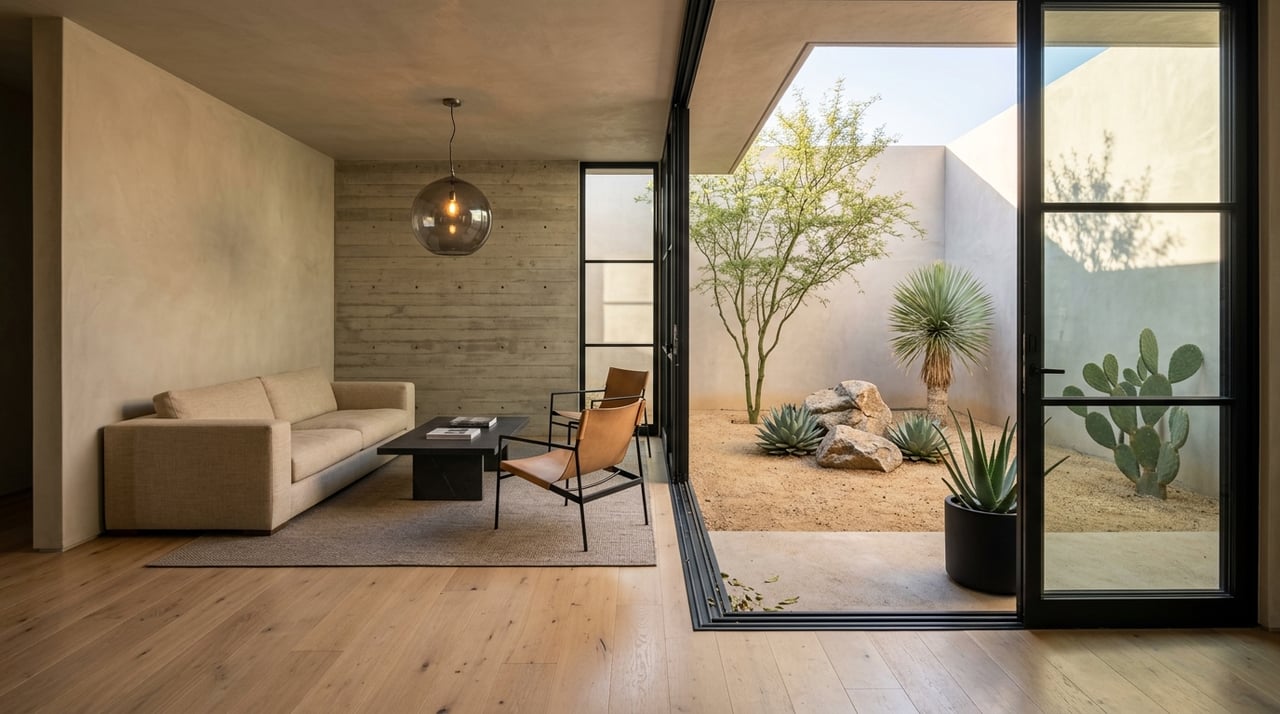
Are you ready for less upkeep without giving up Scottsdale? If you own a larger estate home, the idea of moving to a lock-and-leave property can feel both exciting and complicated. You want a simpler lifestyle, but you also want to protect your equity, understand the trade-offs, and time the move carefully. This guide will walk you through what to weigh before you sell and buy in Scottsdale. Let’s dive in.
Why Scottsdale Still Works for Right-Sizing
For many homeowners, right-sizing does not mean leaving the market. Scottsdale’s 2025 community survey found that nine in ten residents said the city is an excellent or good place to live, and more than nine in ten respondents felt safe in their neighborhood and in downtown or commercial areas during the day. If you enjoy your routines, your social circle, and your connection to the area, staying local can make a lot of sense.
There is also a practical reason to stay. Scottsdale’s 2025 housing needs assessment showed a clear gap between product types, with a median home value of about $1.125 million for single-family homes and about $617,000 for townhomes. That difference helps explain why many estate owners can simplify their lifestyle by changing the type of home they own rather than changing cities.
What Lock-and-Leave Means in Scottsdale
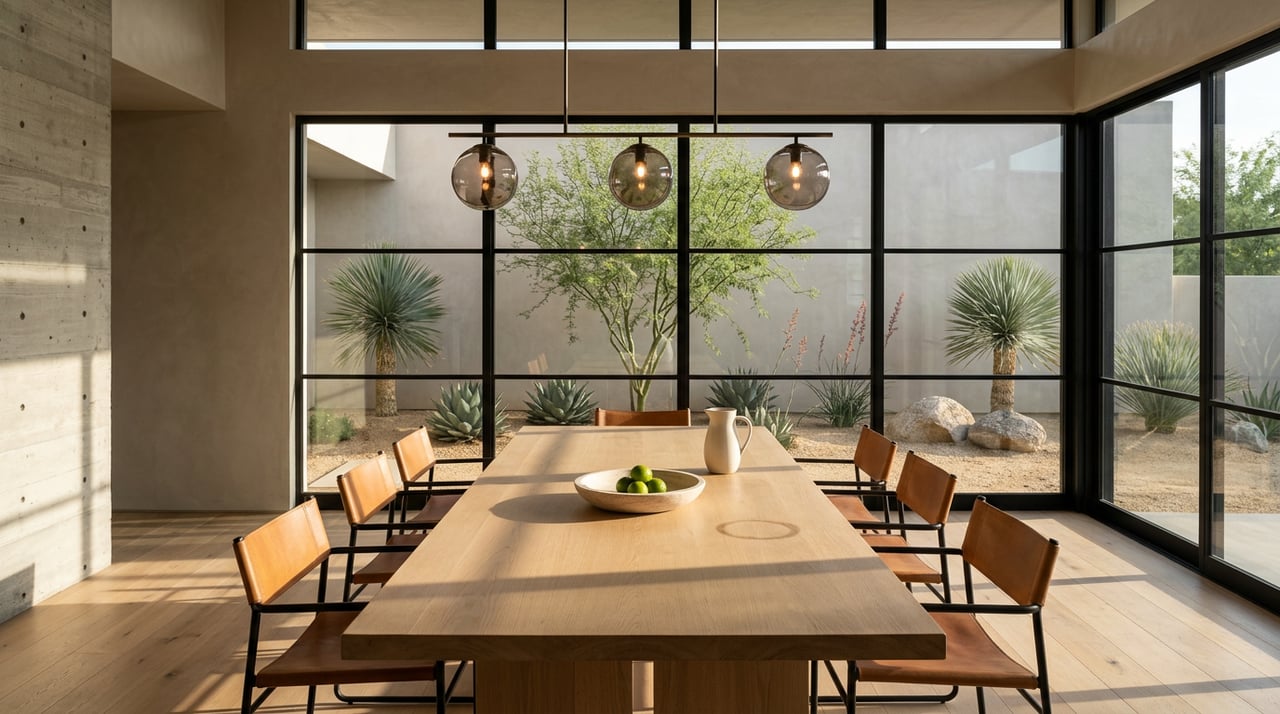
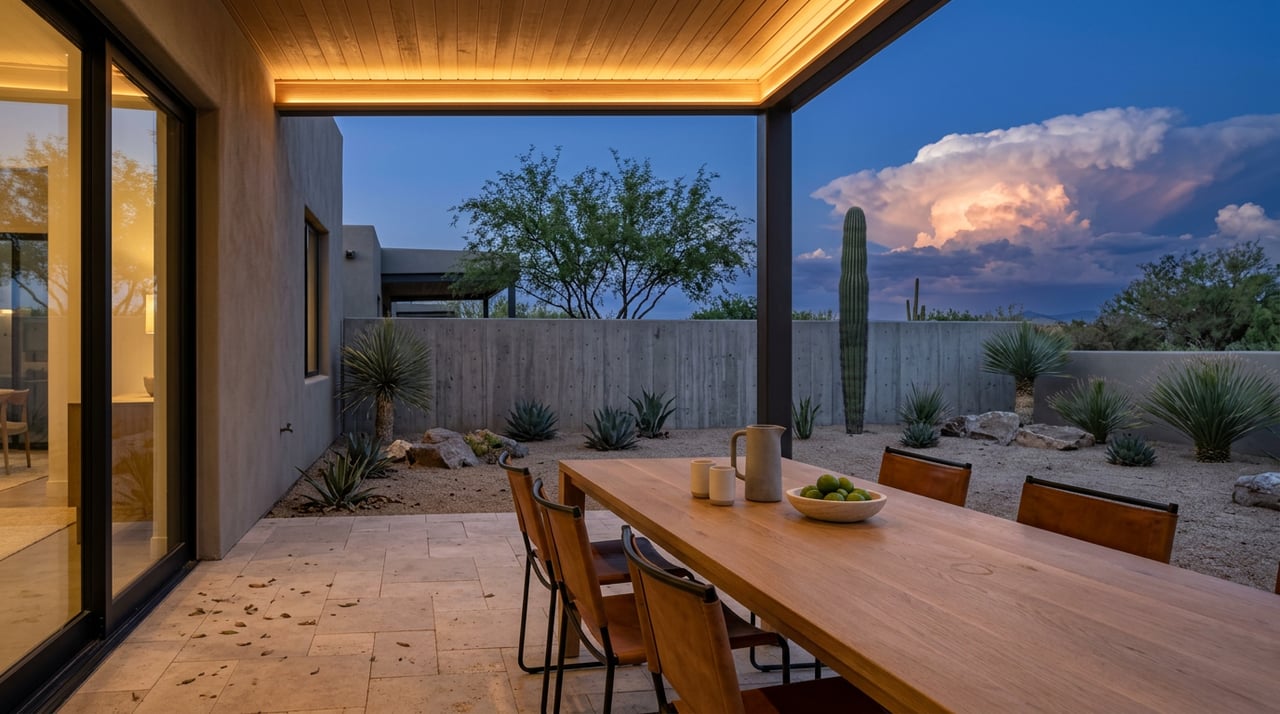
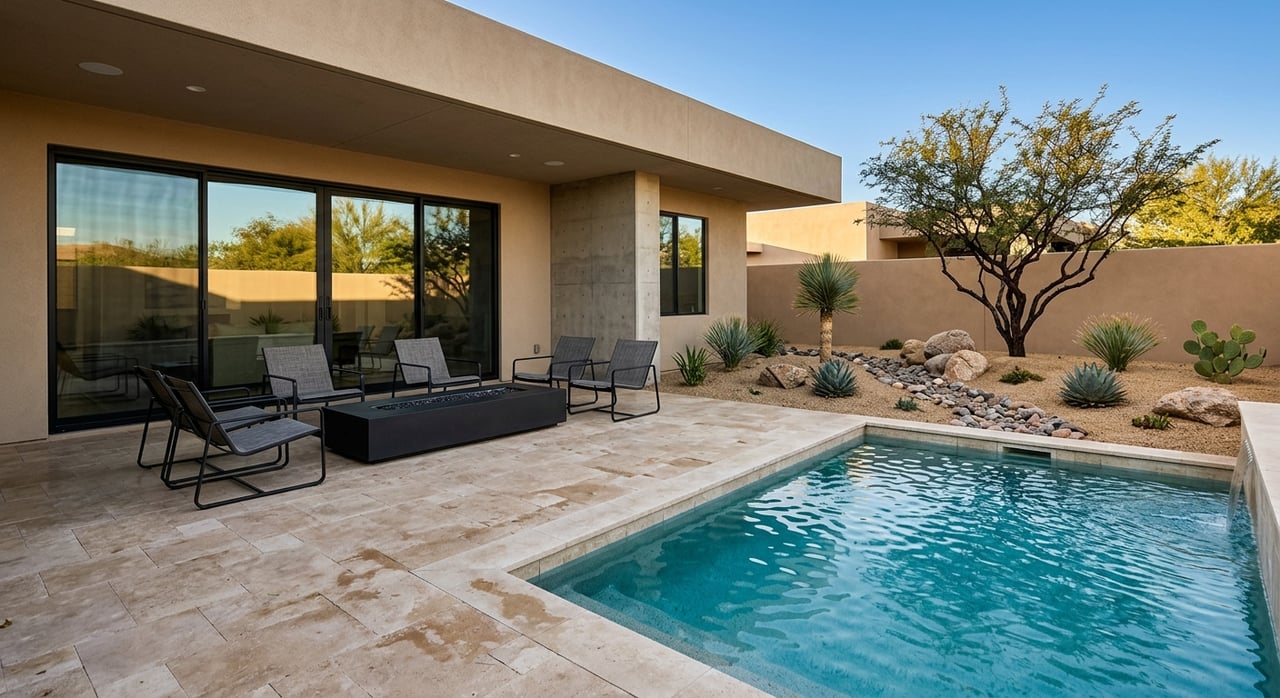
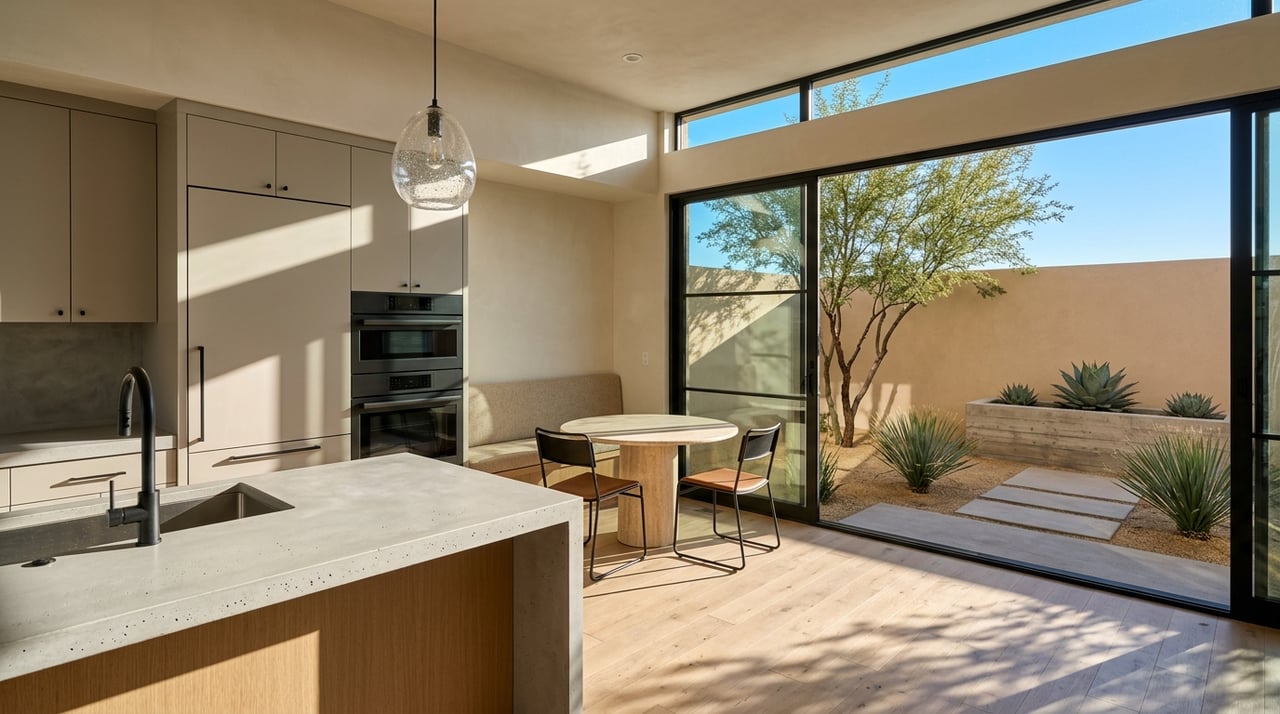
In Scottsdale, a lock-and-leave home is often a condominium, townhome, or similar property in an HOA-governed community. The appeal is simple: when you travel or split time between homes, you want fewer exterior maintenance demands and more predictability.
In Arizona, that ownership model comes with a defined maintenance split. Condominium associations are responsible for maintenance, repair, and replacement of common elements, while owners remain responsible for their unit. Associations also adopt annual budgets and set assessments, so your monthly or periodic dues are part of the ownership structure, not an afterthought.
That convenience can be valuable, especially if your current property requires ongoing attention to landscaping, exterior systems, and larger grounds. But a lock-and-leave home is not maintenance-free. It is better described as maintenance-shifted, with some responsibilities handled by the association and others staying with you.
The Main Trade-Off: Convenience and Control
A move from an estate to a smaller property is often about gaining time and flexibility. Still, convenience usually comes with more community rules and recurring fees. Arizona’s buyer guidance warns that CC&Rs may limit things like exterior changes, landscaping choices, RV parking, play equipment, satellite antennas, and other visible features.
That does not make a lock-and-leave home a poor fit. It simply means you should compare the lifestyle benefits against the restrictions before you commit. If privacy, ease of travel, and reduced exterior upkeep matter more than complete control over the property’s exterior, the trade can be worthwhile.
Start With a Clear Estate Valuation
Before you shop for the replacement property, you need a realistic view of what your current home may sell for. In a market like Scottsdale, that means looking at the right comparables and the right buyer pool. An estate property should be priced against similar high-end homes, not against broad city averages.
Recent Scottsdale market snapshots point to a market where strategy matters. Redfin reported a March 2026 median sale price of $965,000, while Realtor.com reported a median home sale price of $1.08 million and noted that homes sold 2.68% below asking on average in February 2026. Realtor.com also described Scottsdale as a balanced market in March 2026, with more homes for sale year over year, lower median listing prices, and longer days on market.
The takeaway is important. You should not assume that a well-located estate home will sell quickly just because Scottsdale remains desirable. Correct pricing, thoughtful preparation, and a clean launch matter.
Price and Preparation Matter More Than the Calendar
Many sellers want to know the best week to list. Seasonal timing can help, but it should not override market positioning. In a balanced market with longer days on market, the stronger advantage often comes from launching with the right pricing strategy and presentation from day one.
For a larger Scottsdale home, that may mean focusing on:
- A valuation based on true luxury comparables
- Pre-listing preparation that reduces buyer objections
- A clear plan for photography, marketing, and showing readiness
- Pricing that reflects current buyer behavior, not yesterday’s peak
If your goal is to right-size smoothly, the sale is not just about getting an offer. It is about creating terms and timing that support your next move.
Know Your Likely Net Proceeds
Your sale price is only part of the equation. What matters more is how much equity you will likely carry into the next purchase after sale-related costs and any tax considerations. That is the number that shapes your options.
For many long-term owners, one of the first tax questions is whether the federal home-sale exclusion applies. IRS guidance says you may exclude up to $250,000 of gain, or up to $500,000 on a joint return in most cases, if you owned and used the home as your main home for at least two of the last five years.
There are also limits to keep in mind. The IRS says a loss on the sale of a personal residence generally is not deductible. If your property had mixed use, such as rental history, a home office, or depreciation, part of the gain may require separate treatment.
Because estate homes sometimes have more complex ownership or use patterns, this is one area where early planning helps. A clean estimate of net proceeds can make the next purchase far less stressful.
Compare Ongoing Ownership Costs
Moving to a smaller home does not automatically mean lower total ownership costs. In many cases, you may reduce maintenance demands while adding HOA dues and changing your insurance and tax profile. That is why the better comparison is not just price per square foot. It is total cost of ownership.
As you compare options, look at:
- HOA dues and what they cover
- Budgeted assessments and the association’s annual budget structure
- Property taxes
- Insurance needs
- Interior maintenance still handled by the owner
Maricopa County property taxes are billed in September and paid in two installments. The first half is due October 1, and the second half is due March 1. Delinquent taxes accrue 16 percent simple interest under Arizona law, so tax timing should stay on your radar during the sale and purchase process.
Review HOA Documents Carefully
With a lock-and-leave purchase, due diligence matters as much as the floor plan or finishes. Arizona real estate guidance says buyers should review the Public Report, HOA disclosures, title report or commitment, seller disclosure report, and professional inspection reports before closing.
This is especially important if you are buying in a newer or planned community. The Arizona Department of Real Estate says a subdivision Public Report must be provided before you sign the purchase contract, and that report covers utilities, common facilities, taxes and assessments, and property owners association details.
Those documents help answer practical questions like:
- What exactly does the HOA maintain?
- Are there use restrictions that affect your lifestyle?
- Are there upcoming assessments?
- How are common facilities managed?
- What fees or obligations continue after closing?
A lock-and-leave home should feel simpler, not full of surprises. The paperwork is what helps you confirm that.
Inspections Still Matter
A low-maintenance property should never be treated as a low-diligence purchase. Arizona buyer guidance also advises consumers to review inspection reports, consider professional inspections, and evaluate termite issues where appropriate.
Even if the association handles certain exterior components or common areas, your unit itself still needs careful review. Systems, finishes, moisture concerns, and deferred maintenance inside the home can all affect your cost and comfort after closing.
Plan the Sale and Purchase Sequence
The emotional part of right-sizing often gets the most attention, but the sequencing may be the most important decision. If you sell too soon, you may feel rushed on the buy side. If you buy too soon, you may carry two properties longer than planned.
A better approach is to build the move around your priorities. That may include your target price range, likely net proceeds, desired timeline, and tolerance for temporary overlap. The goal is not just to complete two transactions. It is to create a transition that improves your day-to-day life without adding unnecessary pressure.
A well-planned sequence usually focuses on four questions:
- What is your estate home likely to net after costs?
- What recurring costs come with the replacement property?
- Which disclosures and inspections matter most before closing?
- How can you reduce the chance of temporary housing stress?
When those answers are clear, your move tends to feel much more manageable.
Right-Sizing Is a Lifestyle Decision
For many Scottsdale homeowners, moving from an estate to a lock-and-leave property is not about stepping back. It is about becoming more selective with your time, energy, and capital. You may be choosing convenience, flexibility, and easier travel while still staying connected to the Scottsdale lifestyle you value.
The strongest outcomes usually come from treating the move as both a financial and lifestyle decision. That means evaluating value, rules, due diligence, carrying costs, and timing together, not one at a time. When you do that well, right-sizing can feel less like a compromise and more like a smart next chapter.
If you are weighing a move from a Scottsdale estate to a lock-and-leave home, The Hillstone Group | Jeff D Hill offers confidential, strategy-first guidance designed for luxury right-sizing decisions.
FAQs
What does a lock-and-leave home mean in Scottsdale?
- In Scottsdale, a lock-and-leave home is usually a condo, townhome, or similar HOA-governed property where the association maintains common elements and you maintain your unit.
What should Scottsdale sellers know before listing an estate home?
- Scottsdale sellers should focus on accurate luxury pricing, strong preparation, and a clean market launch because recent market data points to a balanced market where homes may take longer to sell.
What HOA documents should Scottsdale lock-and-leave buyers review?
- Scottsdale lock-and-leave buyers should review the Public Report, CC&Rs, HOA disclosures, title documents, seller disclosure report, and inspection reports before closing.
How do property taxes work for Scottsdale homeowners in Maricopa County?
- Maricopa County property taxes are billed in September and paid in two installments, with the first half due October 1 and the second half due March 1.
Can a Scottsdale homeowner exclude gain after selling a primary residence?
- In many cases, a homeowner may exclude up to $250,000 of gain, or up to $500,000 on a joint return, if they owned and used the home as their main home for at least two of the last five years.
Why do many Scottsdale owners right-size into townhomes or condos?
- Many Scottsdale owners right-size into townhomes or condos because the city’s housing data shows a meaningful value gap between single-family homes and townhomes, which can support a lower-maintenance move without leaving Scottsdale.