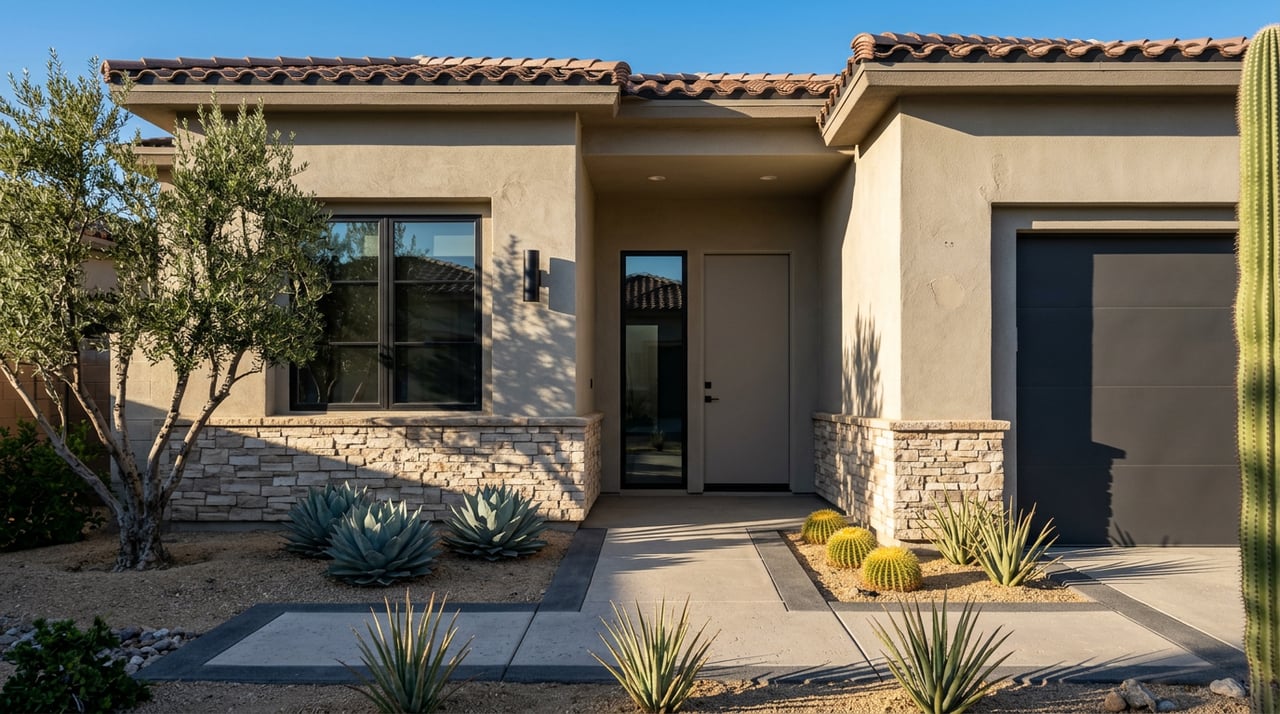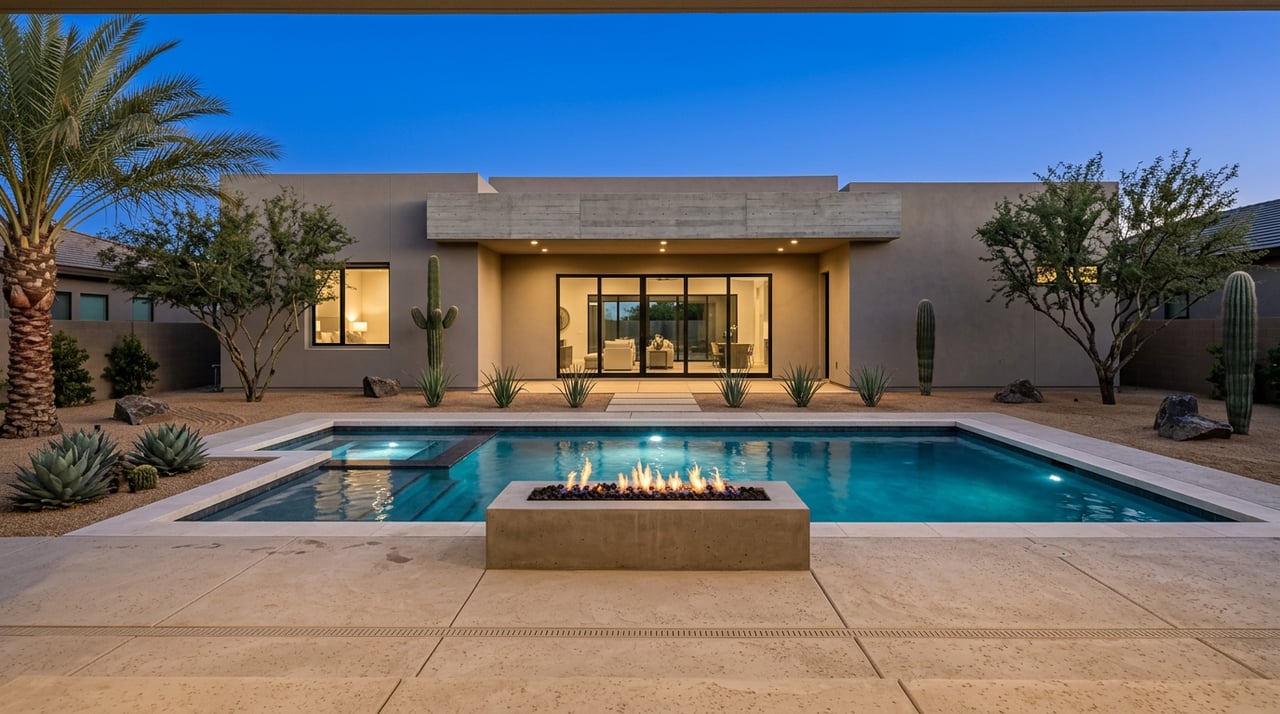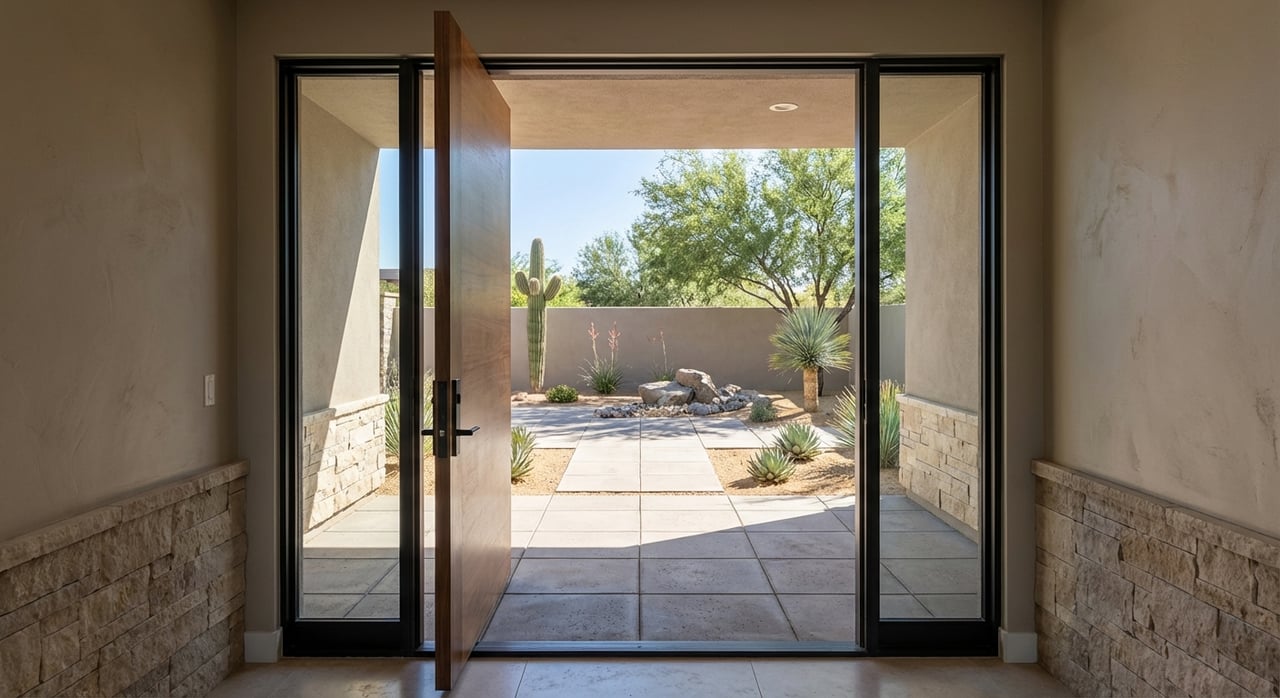
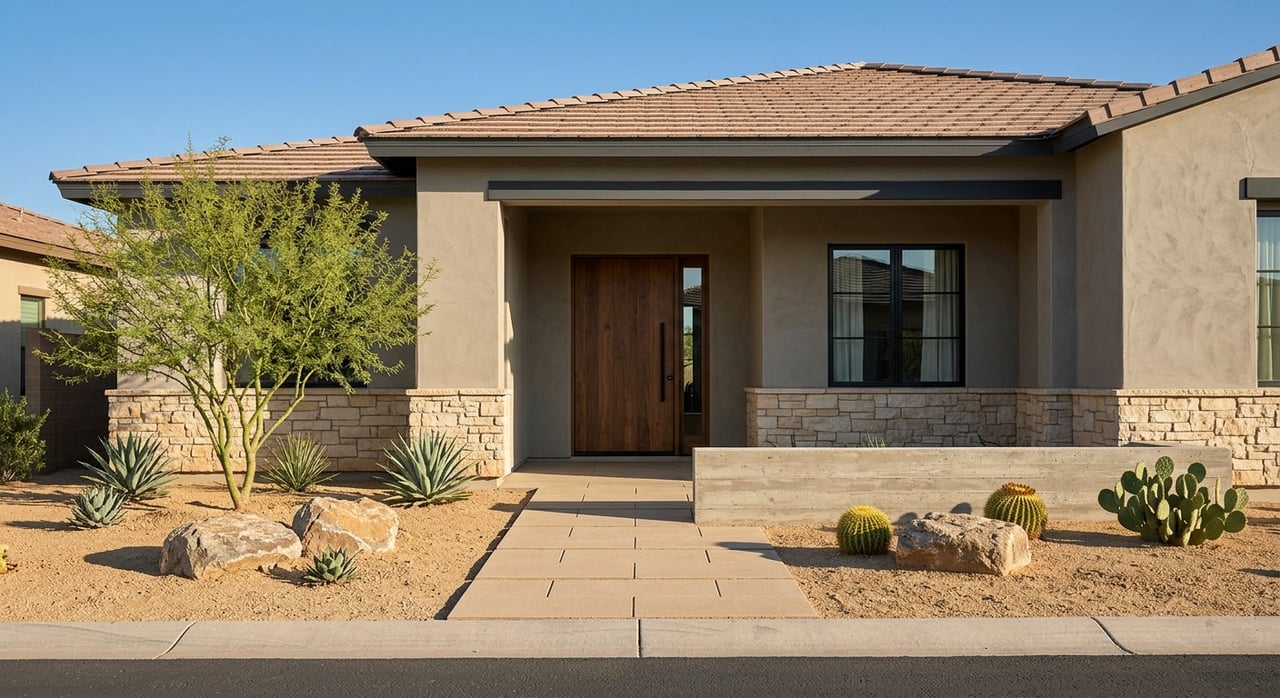
Choosing a Scottsdale neighborhood can feel simple until you realize Scottsdale is not one market at all. It stretches 31 miles from north to south, covers 184.5 square miles, and ranges from about 1,150 to 4,877 feet in elevation, so your commute, views, and day-to-day lifestyle can shift significantly depending on where you land. If you are relocating, the right move is not just finding a beautiful home. It is finding the part of Scottsdale that fits how you actually want to live. Let’s dive in.
Why neighborhood fit matters in Scottsdale
Scottsdale has a strong overall reputation, but relocating buyers benefit from looking beyond the city name. The city uses neighborhood-specific planning for areas such as Old Town, Southern Scottsdale, Cactus Corridor, Shea, Desert Foothills, Dynamite Foothills, and Greater Airpark, which tells you these areas are meant to function differently from one another. You can explore that framework through the city’s character area plans.
That matters because a home that looks ideal on paper may not match your routine once you factor in drive times, access to trails, maintenance needs, or proximity to dining and services. In Scottsdale, lifestyle fit often matters more than broad citywide reputation.
Start with your daily routine
Before you compare listings, define what your week really looks like. Think about where you need to go most often, how much driving you want to do, and whether you want more urban convenience, a residential setting, or a desert-edge environment.
A few questions can help narrow your search:
- Do you want to be close to restaurants, retail, and events?
- Is your work centered near healthcare, office hubs, or airport access?
- Do you want trail access or preserve views near home?
- Are you looking for a lower-maintenance condo or townhome, or a larger single-family property?
- Do you need to verify school assignment by a specific address?
Once you know your priorities, Scottsdale becomes easier to sort into practical neighborhood options.
Compare Scottsdale by decision factor
Commute and mobility
If you want the most practical car-light setup, start in central Scottsdale and the south corridor. The Scottsdale Trolley has three fare-free fixed routes, connects to nine regional bus routes, and serves entertainment, shopping, dining, parks, libraries, and community centers on weekdays.
For many relocating buyers, Old Town and nearby central neighborhoods are the easiest places to begin if convenience matters. You can often combine errands, dining, and recreation with less driving than you would need farther north.
If you expect to drive often, pay close attention to Scottsdale’s main arteries. The city identifies roads such as Scottsdale Road, Pima Road, Shea Boulevard, Cave Creek Road, Carefree Highway, and Dynamite Boulevard as scenic corridors, but they also function as key commuter routes. It is smart to drive them during rush hour and again after dark before choosing a neighborhood.
Work, healthcare, and airport access
For professionals and healthcare-focused buyers, the Shea corridor and Greater Airpark often deserve an early look. The Shea Area Plan covers the corridor around Shea Boulevard and the Mayo Clinic support district, with an emphasis on road efficiency, compatibility, and transit improvements.
The Greater Airpark is identified by the city as a growth area and Scottsdale’s largest industrial-zoned area. If you want proximity to office centers, mixed-use employment, or airport-related access, this area can be especially practical.
Schools by exact address
If school access is part of your relocation plan, verify it by property address, not neighborhood name. Much of Scottsdale is in Scottsdale Unified School District, while parts of north Scottsdale overlap with Paradise Valley Unified School District.
The key point is that boundaries and enrollment options are not the same thing. Scottsdale Unified provides an address-based school locator and enrollment information, which makes exact-address verification an important step before you move forward.
Golf, trails, and recreation
North Scottsdale has a strong concentration of golf and club-style recreation. The city says its reclaimed-water system supplies 23 golf courses in north Scottsdale, which helps explain why many buyers looking for resort-style surroundings begin their search there.
If your ideal lifestyle is more trail-focused than club-focused, Scottsdale also stands out for outdoor access. The city’s trail system includes 220 miles of trails in the McDowell Sonoran Preserve and 150 miles of neighborhood trails, connecting neighborhoods to parks, schools, trailheads, and places of employment.
Views, open space, and home upkeep
For desert views and open-space character, preserve-adjacent and foothills areas usually rise to the top. The McDowell Sonoran Preserve is permanently protected desert habitat, and city plans for Desert Foothills and Dynamite Foothills emphasize rural desert character, open space, and low-impact development.
If you are relocating for part-time living, frequent travel, or a right-sizing move, maintenance style matters just as much as scenery. In many cases, condo and townhome communities or amenity-rich planned settings may fit better than a larger property with more exterior upkeep. The city’s information on the DC Ranch community facilities district is one example of how certain communities fund parks, paths, roads, trails, and athletic fields, though you should always review dues and what they cover carefully.
Neighborhood clusters to shortlist
Old Town and Downtown Scottsdale
If you want walkability, events, dining, and a lower-maintenance lifestyle, Old Town is one of the clearest starting points. The city defines Old Town as Scottsdale’s downtown core and notes that it includes more than 90 restaurants, 320 retail shops, and more than 80 art galleries in its Old Town character area plan.
This area often appeals to buyers who want an active, central setting and are open to condo or townhome living. If convenience and activity rank high on your list, it is hard to ignore.
Southern Scottsdale
Southern Scottsdale sits south of Indian Bend Road and offers an older, established housing base. According to the city’s Southern Scottsdale character area plan, most housing and commercial properties there are 30 or more years old.
For relocating buyers, that can mean mature neighborhoods, central access, and a broader range of housing types. If you want to stay close in without focusing on a downtown setting, Southern Scottsdale can be a strong option.
Cactus Corridor
Cactus Corridor is often associated with more space and a quieter residential feel. The city says the area includes suburban subdivisions along with equestrian and lifestyle uses, and that core lot sizes ranged from 35,000 square feet to 2.5 acres in the Cactus Corridor area plan.
This area may be worth shortlisting if privacy, larger lots, and room to spread out matter more than a lock-and-leave setup. It is typically less about convenience on foot and more about residential character.
Shea and Mayo area
The Shea corridor can make sense if you want practical access to healthcare, established neighborhoods, and strong road connections. The city’s Shea Area Plan emphasizes compatibility, neighborhood protection, open-space links, and transit improvements.
This is a useful area to consider if your move is tied to work, medical access, or a preference for a more established environment rather than a resort-style setting.
Greater Airpark
Greater Airpark is one of the city’s most important employment-oriented zones. If your relocation priorities include office proximity, business access, or a location tied closely to Scottsdale Airport and surrounding commercial areas, this district should be on your list.
Because it functions differently from purely residential areas, it is a smart place to evaluate early if efficiency and access are driving your decision.
Desert Foothills and Dynamite Foothills
If your Scottsdale vision includes open desert, mountain views, and a more rural feel, these foothills areas deserve serious attention. The city’s Desert Foothills character area plan describes an environment centered on upper Sonoran Desert preservation, custom and semi-custom homes, equestrian lifestyles, and minimal infrastructure improvements.
Dynamite Foothills shares that desert-forward identity, with an emphasis on open space and rural character. These areas often appeal to buyers who want scenery and privacy first, with less emphasis on being close to the city’s most walkable districts.
Plan a smart scouting trip
A relocation tour works best when you compare different Scottsdale lifestyles in one visit. Rather than seeing only one area, try one central stop, one close-in suburban stop, and one foothills stop on the same day.
A practical sequence could look like this:
- Start in Old Town or Southern Scottsdale for a central, more urban feel.
- Move to Shea or Greater Airpark for a practical middle-ground comparison.
- Finish in Desert Foothills or Dynamite Foothills to evaluate views, space, and a quieter setting.
This kind of side-by-side visit helps you compare noise levels, maintenance style, commute reality, and overall pace. It is often much more useful than falling in love with a single home before you understand the broader submarket.
What to verify before making an offer
Once you narrow your list, focus on details that can affect long-term fit. Before writing an offer, verify:
- Exact school assignment through the district locator
- HOA or community district dues and what they include
- Peak-hour access to your nearest freeway or arterial road
- Trail or preserve access if outdoor living is a priority
- Nearby construction, development activity, permits, or traffic impacts
These checks can help you avoid surprises and choose a neighborhood with more confidence.
Relocating to Scottsdale is less about picking the "best" neighborhood and more about choosing the right one for your schedule, priorities, and preferred style of living. If you want a thoughtful, discreet approach to narrowing your options, The Hillstone Group | Jeff D Hill can help you compare Scottsdale micro-markets and move forward with clarity.
FAQs
Which Scottsdale neighborhood is best for walkability and a lower-maintenance lifestyle?
- Old Town is often the strongest fit for buyers who want walkability, dining, events, and condo or townhome options in Scottsdale’s downtown core.
Which Scottsdale areas are most practical for golf and club-style recreation?
- North Scottsdale is often a top starting point because the city says its reclaimed-water system supplies 23 golf courses there.
How should you verify school boundaries when relocating to Scottsdale?
- You should verify school assignment by exact property address using the relevant district locator, because neighborhood name alone is not enough.
Which Scottsdale neighborhoods are best for desert views and open space?
- Preserve-adjacent areas such as Desert Foothills and Dynamite Foothills are strong options if you want rural desert character, open space, and view-oriented living.
What is the best way to tour Scottsdale neighborhoods before buying?
- A strong scouting plan is to compare one central area, one close-in suburban area, and one foothills area in the same trip so you can judge commute, noise, views, and lifestyle side by side.