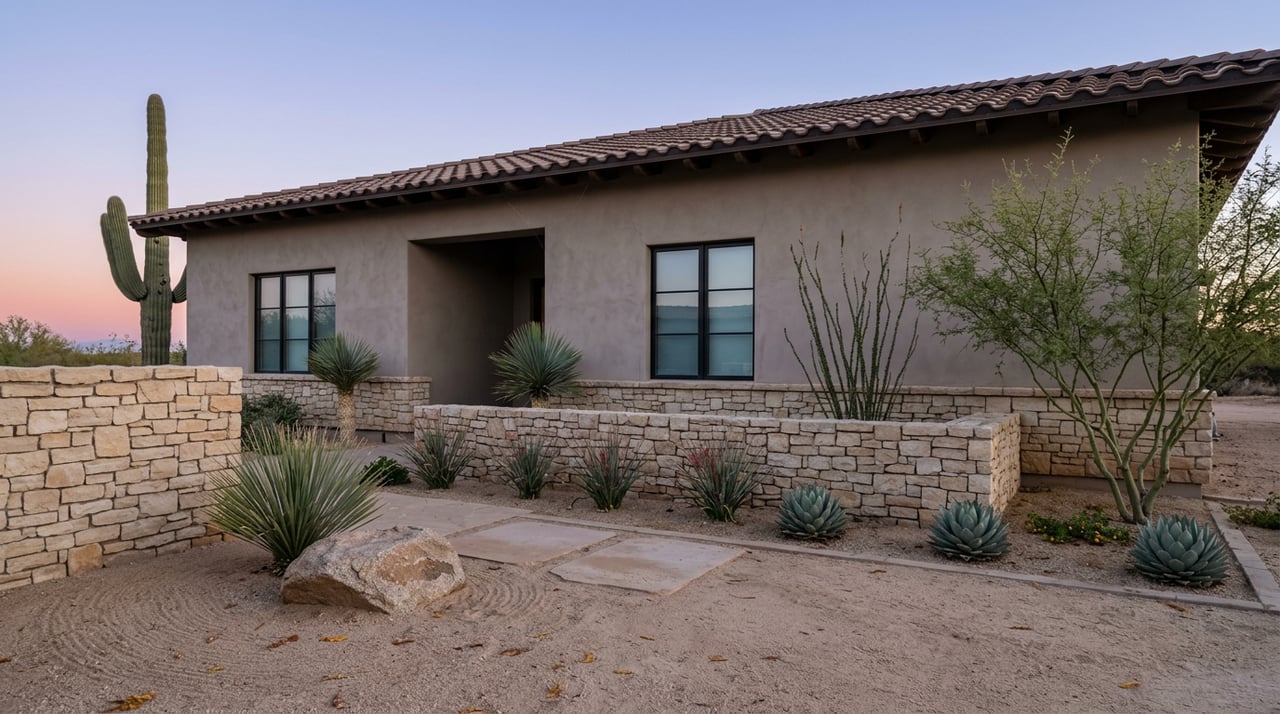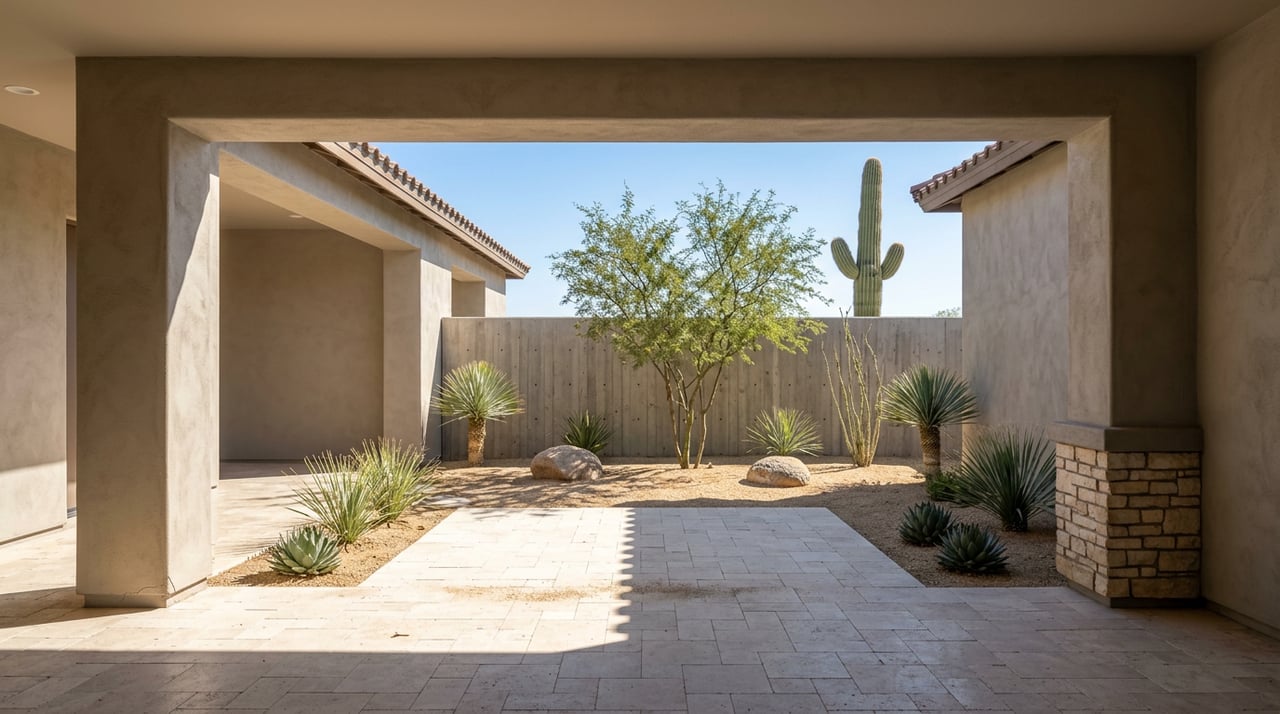

A Scottsdale tract seller signs a listing agreement and starts thinking about paint colors. A Cave Creek seller on two acres has a different first move, and it has nothing to do with staging. It has to do with a septic tank, a well log, and a recorded road agreement that most owners have not thought about since the day they bought.
That difference is the thesis of this post. The Cave Creek market gives sellers a longer runway than Scottsdale does, and the runway exists for a reason. As of July 30, 2026, Cave Creek showed 190 active listings, an average 89 days on market, and a median list price of $1,000,000. That pace is not a weakness. It is the window in which a prepared seller assembles the rural-property paperwork that quietly decides whether the deal closes on time.
The Six-Month Clock That Starts Before You List
If your home is on an onsite wastewater treatment system, which most Cave Creek acreage properties are, Arizona requires a transfer-of-ownership septic inspection before the sale. The inspection and report disclose the conditions at the time of the inspection, and if the house is not sold within six months of the inspection, a new inspection is required; before the closing date the buyer receives the completed report.
Read that timeline carefully. Six months from inspection to closing, not six months from inspection to contract. A property that lists at a $1.1M price point and sits at the median Cave Creek pace can chew through that window quickly. A thorough inspection expects the tank lid to be removed, because it is very difficult to see into the corners and bottom of the tank and underside of the lid without doing so, which means scheduling a pump and inspection together and coordinating with a licensed inspector who files the ADEQ paperwork. Local operators such as Cave Creek Septic Service, family-owned in the area since 1979, handle septic inspections for home sales alongside pumping and repairs for realtors and property managers. The Notice of Transfer form is a separate filing that piggybacks on the inspection report and must reach ADEQ around closing.
The practical implication for a Cave Creek seller is this: if you list before the septic report is in hand, you are betting on the buyer's inspection period being fast enough that a fresh inspection can still be scheduled, pumped, filed, and reviewed inside the standard due-diligence window. That is a bet many owners lose, and losing it usually looks like a request for a closing extension.
What "On a Well" Actually Means at Closing
The Seller's Property Disclosure Statement forces every Arizona seller to categorize the property, and the categories carry very different weight in Cave Creek than they do inside a Scottsdale HOA. The utilities section notes water source as municipal, well, or shared well, sewer versus septic, whether a lift pump is used, any known issues, inspection or repair history, and whether a septic system was abandoned or removed.
| Water source | SPDS follow-up | What often surfaces in escrow |
|---|---|---|
| Municipal (City of Cave Creek water) | Water source disclosure only | Will-serve letter on file |
| Private well | Domestic Water Well Addendum, well log, pump and pressure history | Buyer's lender request for potability and flow test |
| Shared well | Addendum plus the recorded shared-well agreement | Cost-sharing history, easement language, party count |
The shared-well case is where sellers get surprised. The covenant portions of these agreements contain the contractual terms, and those contractual requirements pass with the sale of the land to new owners. In other words, whatever the original neighbors signed decades ago binds your buyer, and a buyer's attorney will read it. The agreement typically requires the landowners to share electrical and maintenance costs, and parties must typically share water production if water is not available to meet demand. Sellers who cannot produce the recorded document, or whose informal arrangement was never recorded, can find themselves negotiating an escrow holdback or drafting a written agreement mid-transaction.
For SPDS purposes the standard is high. The catch-all section asks whether there are any other known facts that materially affect the value or desirability of the property, and "material fact" in Arizona case law means anything a reasonable buyer would want to know when making a purchase decision. A verbal handshake with a neighbor over well electricity is a material fact. Silence on the SPDS carries a long tail: the statute of limitations for fraud-based real estate claims in Arizona is generally three years from the point when the buyer discovered or reasonably should have discovered the issue, so liability does not end at closing.
The Road That Isn't the County's Problem
Cave Creek is not one uniform grid. Parts of town rely on private roads maintained by the properties they serve. The SPDS asks about liens, easements, title issues, historic districts or special taxing districts such as a CFD, road access and maintenance arrangements, and any notices of violation. That line about road access is where acreage sellers slow down.
If your access is a recorded private road easement, expect the buyer's title company to ask for the maintenance agreement, the party count, and the cost-sharing formula. If your access is an unrecorded gravel spur that "everyone just uses," the honest disclosure is that there is no written agreement, which itself becomes a material fact for the buyer to weigh. Some Cave Creek land listings currently on the market note that a road maintenance agreement and legal access are being worked on, which is a fair warning that title work can uncover more than the seller anticipated.
The parallel with septic and well documentation is intentional. Cave Creek sellers are running three quiet clocks: ADEQ on the septic, water documentation on the well, and title on the road. The house itself is only one of four tracks.
Reading the July 2026 Market as a Seller
Here is where the market data earns its keep. A July 19, 2026 snapshot showed 202 Cave Creek listings, an average 85 days on market, $482.88 average price per square foot, and a $1,017,500 median list price. A July 2026 median list price of $1.12M and $381 per square foot appear in another data set, and Cave Creek homes spent a median of 137 days on the market that month, roughly the same as July 2025. The spread across sources reflects different sample cuts, but the direction is consistent: this is a market where a well-priced, well-documented home sells in three to five months rather than three to five weeks.
That pace is often reported as softness. Cave Creek's most established market commentators read it differently. With 208 active single-family houses and 317 to 447 total active listings across all property types, Cave Creek offers meaningful selection, and days on market of 69 to 111 reflect the deliberate nature of luxury desert buyers making high-consideration decisions rather than weakness in demand. A high-consideration buyer reads the septic report. A high-consideration buyer's attorney reads the well agreement. The paperwork is not a formality in this market. It is part of the marketing.
The Cave Creek pace is the seller's advantage only if the seller uses it. Ninety unhurried days to close a clean transaction is a different animal than ninety hurried days spent producing documents the buyer already asked for twice.
A Pre-Listing Sequence That Respects the Paperwork
The ordering matters. Each item shortens the next one.
- Pull the file first. Locate the original well log, any shared-well agreement, the recorded road maintenance agreement, the last septic pump receipt, and any water treatment leases. Anything you cannot find, request from the county recorder now, not after an offer.
- Book the septic inspection early, not late. The inspection and report disclose the conditions at the time of the inspection, and if the house is not sold within six months, a new inspection is required. Time the inspection to the season you expect to be in escrow, not the day you sign the listing.
- Complete a pre-listing SPDS draft. The SPDS is a 10-page disclosure form, delivered to the buyer within three days of contract acceptance under the standard AAR purchase contract, and the buyer then has five days to review it and respond. Drafting it before you list turns those eight days from a fire drill into a review.
- Reconcile every disclosure to a document. If the SPDS says "shared well with three neighbors," the recorded agreement should say the same. If the road is "maintained by users," name them.
- Coordinate the well documentation with your lender-side reviewer. Buyers financing an acreage property often request flow and potability testing. Knowing the pump's age and pressure history before that request lands prevents last-minute re-negotiation.
- Match the pricing conversation to the pace. In a market where the median list sits near $1M and homes average roughly three months on market, a clean file supports a first-week list price. A file with gaps quietly invites a price reduction six weeks in.
FAQ
Is a septic inspection legally required to sell a Cave Creek home on a septic system?
Arizona law directs sellers to inspect the septic system before the sale, a rule aimed at protecting buyers and fostering transparency in real estate transactions. The transfer-of-ownership inspection is filed with ADEQ and the Notice of Transfer form accompanies it around closing.
What happens if my septic inspection expires before I close?
Because the inspection discloses conditions at the time it was performed, a property not sold within six months of the inspection requires a new inspection. That means scheduling and paying for a second inspection, and refiling.
How is a shared well handled at closing?
The recorded shared-well agreement passes to the new owner as a covenant running with the land. Buyers, and their lenders, will want to see the written agreement, the party count, and the cost-sharing terms. If no written agreement exists, disclose that clearly on the SPDS and consider drafting one before listing.
Does the SPDS ask about my private road?
Yes. The utilities and property sections ask about road access and maintenance arrangements, and title review will surface any recorded easements or maintenance agreements independently.
If you own acreage in Cave Creek and are thinking about a sale in the next twelve months, the paperwork is the project. The Hillstone Group works with sellers well before the listing date to sequence the septic, well, and title documentation against the market's actual pace. To discuss your property privately and map the pre-listing timeline, schedule a confidential consultation.